
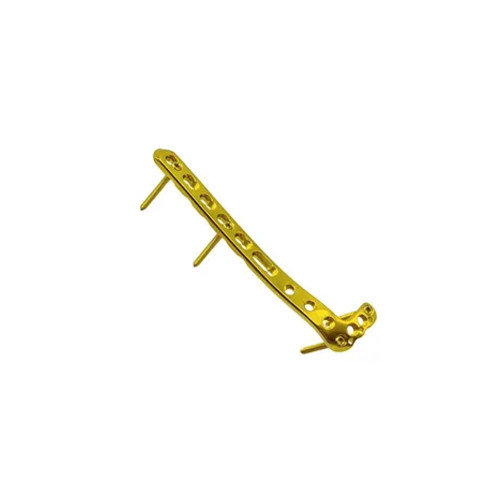
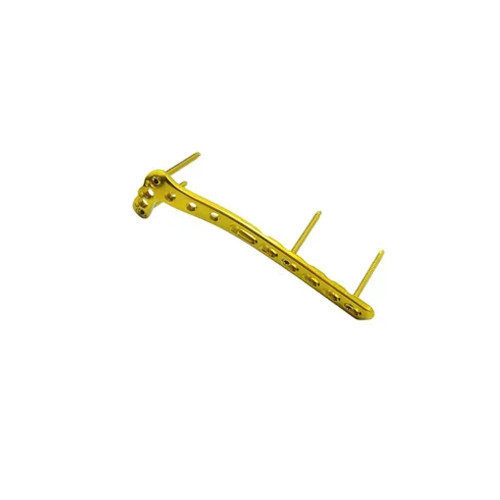
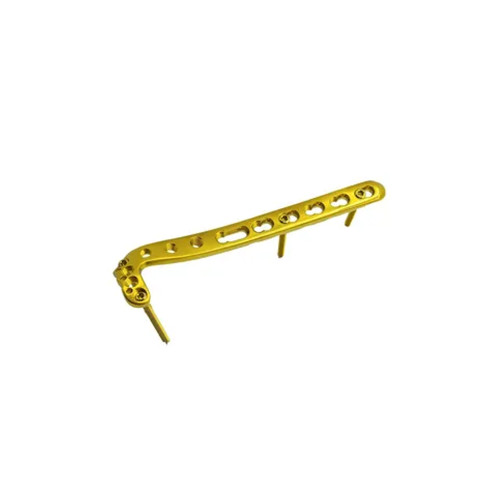
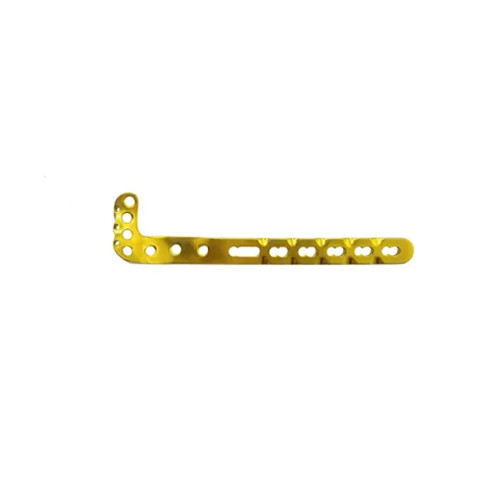
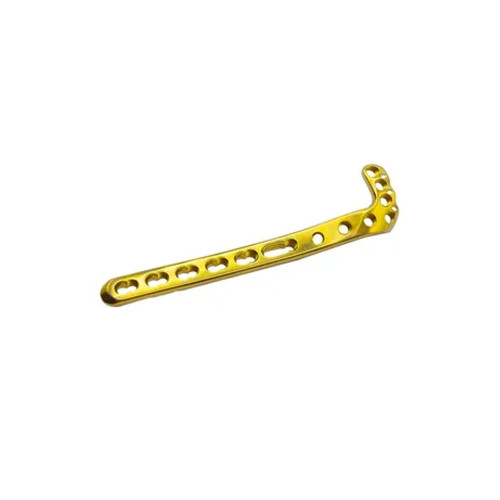
Tấm Cố Định Gãy Xương Chày Xa Bằng Thép Không Gỉ/Titanium, Dụng Cụ Cấy Ghép T Tế Vùng Đùi
Objective
Tibial plafond fractures are one of the most challenging injuries in orthopaedic surgery. Their results could be improved by following the new guidelines for the management, and modern plating techniques. The results and complication rate between anteromedial and anterolateral approach for open reduction and internal fixation of these fractures were compared.
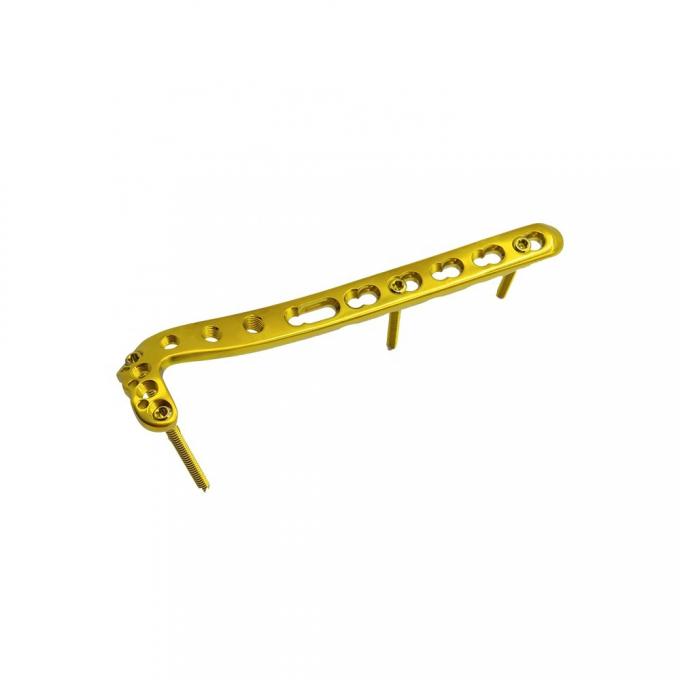
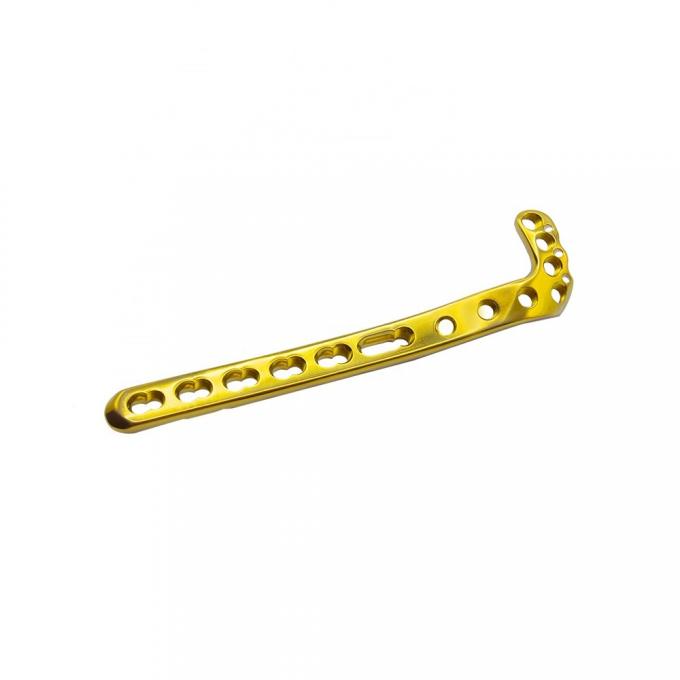
| Product No. | Specification | Length * Width * Thickness | Material |
| 3509-(A/S)1004(L/R) | 4 Holes | 73*12.5*3.2 | Pure Titanium Stainless Steel |
| 3509-(A/S)1006(L/R) | 6 Holes | 97*12.5*3.2 | |
| 3509-(A/S)1008(L/R) | 8 Holes | 121*12.5*3.2 | |
| 3509-(A/S)1010(L/R) | 10 Holes | 145*12.5*3.2 | |
| 3509-(A/S)1012(L/R) | 12 Holes | 169*12.5*3.2 | |
| 3509-(A/S)1014(L/R) | 14 Holes | 193*12.5*3.2 | |
| 3509-(A/S)1016(L/R) | 16 Holes | 217*12.5*3.2 | |
| 3509-(A/S)1018(L/R) | 18 Holes | 241*12.5*3.2 | |
| 3509-(A/S)1020(L/R) | 20 Holes | 265*12.5*3.2 |
Open reduction and internal fixation of distal tibia fractures produced reliable results, with no statistical differences found between anteromedial and anterolateral surgical approaches. Clinical and radiological results and complication rate were mainly related to the fracture type.
t